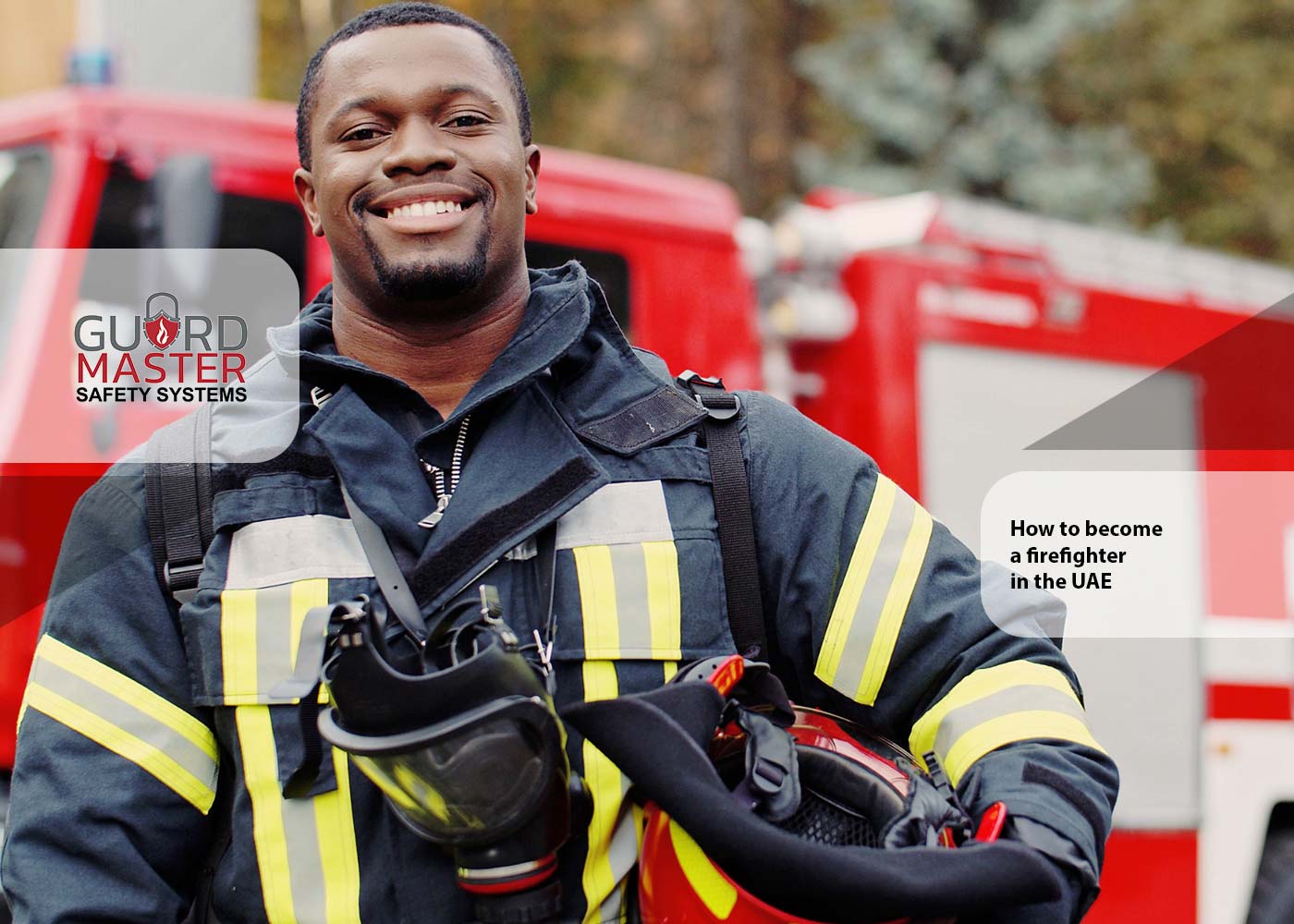
Firefighting in UAE is a profession that is respected and
well organized. The civil defence authorities in individual emirates oversee
the main firefighting services. These are the government agencies which
establish principles of recruitment, training, equipments and responses. Also,
there are private companies offering fire-safety services, maintenance as well
as the specialized teams, which also engage trained fire technicians. To be on
the frontline in firefighting, you need to take two very different paths:
either become a civil defence (government) or take up employment in a private
firm, airport authority, or industrial fire team. Both career options demand
training, physical fitness as well as particular qualification.
1. Civil Defence Authorities (government): Dubai has its
civil defence organization: Dubai Civil Defence, Abu Dhabi is another one: Abu
Dhabi Civil Defence Authority, Sharjah Civil Defence, and others. These are the
authorities that run fire stations, emergency response units and rescue units.
They operate official recruitment programs and training centers.
2. Ministry of interior and other related government
departments: The federal security and emergency services system comprises of
some firefighting and rescue roles. The official portals contain job
advertisements and regulations governing the process of applying to government
positions.
3. Private sector and contractors: The installation,
maintenance and inspection services are provided by fire-safety companies. They
also contract technicians to install or maintain fire alarms, sprinkling
systems, and suppression systems. Airports, oil and gas firms and big
industrial facilities maintain their fire teams that hire individuals with firefighting
skills. Guard Master and other companies are players in this field. Guard
Master LLC+1
- Civil defence (best for long-term career, state benefits):
In most emirates, frontline positions in the government firefighters are
typically restricted to UAE nationals. This is the primary path in case you are
a UAE citizen and you desire an unchangeable career in the public sector with a
promotion ladder. The recruitment is organized and leads to national service
(in the case of men).
- Private sector / contractor / industrial teams (open to
expats): Expatriates are better allowed in these positions. They consist of
firefighting technicians, fire alarm/service technicians, members of fire team
in industries. Pay and conditions are diverse. These are the jobs that can be
undertaken in case you are not in a position to secure a civil defence post.
The following are the general procedures required to be a
member of a civil-defence firefighting force within the UAE:
- Nationality: Most civil defence firefighter jobs under
operations demand UAE citizenship. Certain support or administrative jobs can
be available to non-nationals and some emirates will sometimes employ GCC
nationals to perform some duties. It is important to always read the job announcement.
- Age: There are minimum and maximum ages stated in
recruitment advertisements. They usually vary between early 20s and mid-30s,
depending on the level. Check the ad. dcd.gov.ae
- Education: Requirements vary by post. Firefighting can be
entered with a high-school diploma or technical certificate (as an entry). Some
of the technical and specialist jobs may need diplomas or bachelor degrees in
engineering, fire safety, or other similar subjects. Abu Dhabi has enumerated
engineering diplomas or degrees as being eligible in some of the fire safety
positions.
- National service: Most jobs in the government require male
UAE nationals to have served in the country national service.
Gather standard documents before applying:
- Passport and national ID (or Emirates ID for nationals).
- Educational certificates and equivalence letters if
degrees are from abroad.
- Medical certificate or a pre-employment medical test
(required by civil defence).
- Proof of completion of national service (for males, where
applicable).
- Police clearance or good conduct certificate if requested.
Training on civil defence is typically offered once the
person has been hired. Nonetheless, previously existing certificates are useful
to your application:
- Firefighting fundamentals courses that cover Training on
fire behavior, hose handling, breathing apparatus, search and rescue and
incident command. There are a few privately based training centers that provide
DCD-approved certification on fire fighting.
- First aid and CPR: They are frequently mandatory or
strongly suggested.
- Technical qualifications Specialist roles: As an example,
a diploma in fire safety engineering, or qualifications as technicians of fire
alarm and suppression systems.
Monitor the civil defence site and the emirate career sites
to get employment opportunities. The socio-economic centres of Dubai and Abu
Dhabi advertise vacancies and instructions on the official portals. Apply and
go by the procedure that is posted.
Applicants of civil defence should pass a medical
examination. They are also subjected to physical examination, which might
consist of:
- Timed runs or sprints.
- Dragging and carrying weights (e.g., dummy rescues).
- Climbs with use of equipment up the stairs or ladder.
- Power, stamina, and speed tests.
Candidates go through interviews and practical tests after
documentations and fitness test. These tests evaluate:
- Real life firefighting techniques.
- Teamwork and communication.
- Decision making under pressure.
In case of success, training will be provided at the civil
defence academy. Anticipate a post-employment probation.
If you are an expatriate, the private route is the more common
option.
- Fire-safety contractors (installation and maintenance
companies). Sites like Guard Master handle fire system installations,
inspections, and maintenance. These companies hire technicians, inspectors, and
managers.
- Airport fire services and industrial clients (oil &
gas, petrochemical, large manufacturing). These employers often run their own
fire teams and recruit staff with specific training.
Private employers sought out for relevant certificates:
- Fire alarm & firefighting systems technician
certificates: Installation, testing, commissioning and maintenance of fire
systems training is very precious. Suppliers and contractors tend to demand
work experience or established training.
- DCD-approved firefighting training: In Dubai, there are
also privately licenced training providers who provide Dubai Civil Defence or
other emirate-approved certificates. These classes have hands-on exercises and
they are well established in the market.
Employers like individuals who have experience. Consider:
- Entry roles as apprentices or service technicians.
- Contract work on maintenance teams.
- Temporary or seasonal roles that lead to permanent hire.
Openings are found with the help of networking and local
recruitment sites. The right contacts are through industry trade show and
safety conferences to meet employers.
Private employers may test practical skills on the job. Be
ready to demonstrate:
- Safe handling of tools and equipment.
- Knowledge of fire systems and codes.
- Team work and communication.
The operational firefighter training is strenuous. Expect:
- Classroom learning: Building, codes, hazards, building
types, fire science and incident command.
- Practical drills: Handling of hoses, ladders, controlled
setting live fire training, breathing equipment, confined space and high-angle
rescue.
- Physical conditioning: Strength work, endurance drills,
and monotonous and difficult drills.
- Simulation and scenarios: Real life testing of skills
under stress with smoke, heat and obstacles.
Approved training providers and civil defence academies will
offer organised programmes, certificates as well as re-certifications.
Fire services are more than firefighters on a fire truck.
Typical roles and career paths include:
- Firefighter (operational).
- Fire officer / supervisor.
- Specialist: hazardous materials (HAZMAT), rope rescue,
high-rise operations, etc.
- Fire safety inspector or prevention officer.
- Fire safety engineer or technical specialist (requires
engineering qualifications).
- Training instructor, incident commander, or strategic
roles in management.
The promotion is based on experience, exam, leadership, and
additional qualification. The civil defence authorities tend to possess quite
concise promotion ladders.
Salaries and benefits vary widely:
- Civil defence roles: usually include government pay
scales, pensions or end-of-service benefits, medical cover, and allowances.
These roles often have shift work, statutory leave, and formal promotion paths.
- Private sector roles: can vary from contractor pay rates
to competitive industrial salaries. Benefits depend on the employer and
contract. Large industrial employers may offer attractive packages including
housing allowances, medical cover, and bonuses.
1. Decide which route you can access. If you are a UAE
national, watch civil defence vacancies closely. If you are an expatriate,
target private firms, airports, and industrial teams.
2. Start fitness training now. Work on cardiovascular
endurance, strength, and functional movements that mirror firefighting tasks.
Practice stair climbs carrying weight, hose drags, and timed carries.
3. Get basic certifications. First aid, CPR, and a
DCD-approved firefighting fundamentals course make your CV stronger.
4. Learn English and, where useful, Arabic. English is the
common language at many workplaces. Arabic is helpful for communication with
local communities and colleagues.
5. Network with industry employers. Attend safety trade
shows, follow civil defence and major contractors on LinkedIn, and check job
sites regularly. Guard Master and similar companies post roles and insights
about the industry.
6. Be realistic about timelines. Joining a civil defence
force can take months from application to deployment. Private hires can be
faster but depend on employer needs and visas.
- Dubai Civil Defence. Official portal for the General
Command of Dubai Civil Defence. Check their careers and training pages.
- Abu Dhabi Civil Defence Authority (ADCDA). Authority site
with information on services, roles, and public announcements. ADCDA posts
recruitment and program information.
- Ministry of Interior careers. Federal government roles and
application rules.
- DCD-approved training providers. Several private academies
deliver DCD-approved firefighting courses and refresher training. Search for
DCD approval when you choose a course.
- Private companies and contractors. Guard Master is an
example of a major fire-safety contractor in Dubai that offers services and
hires technical staff. Review company pages and job boards.
The ambition of being a firefighter in the UAE is not
impossible with the appropriate strategy. Assuming you are a UAE citizen, then
the civil defence provides a definite career of public-service to individuals
with formal training and recruitment. As an expatriate, the best opportunities
are in the private sector, industrial teams, and technical jobs that help to
sustain the firefighting and safety systems. The most useful thing you can do
is now is training, fitness and any other technical certificates. Check vacancies on the official civil defence and ministry websites and select
training providers endorsed by DCD when making your preparations. The UAE is
also open to the private-sector jobs and services through Guard Master and
other contractors.
Website and SEO By Poland Web Designer
Guard Master © Copyrights 2020 - . All rights reserved.
